
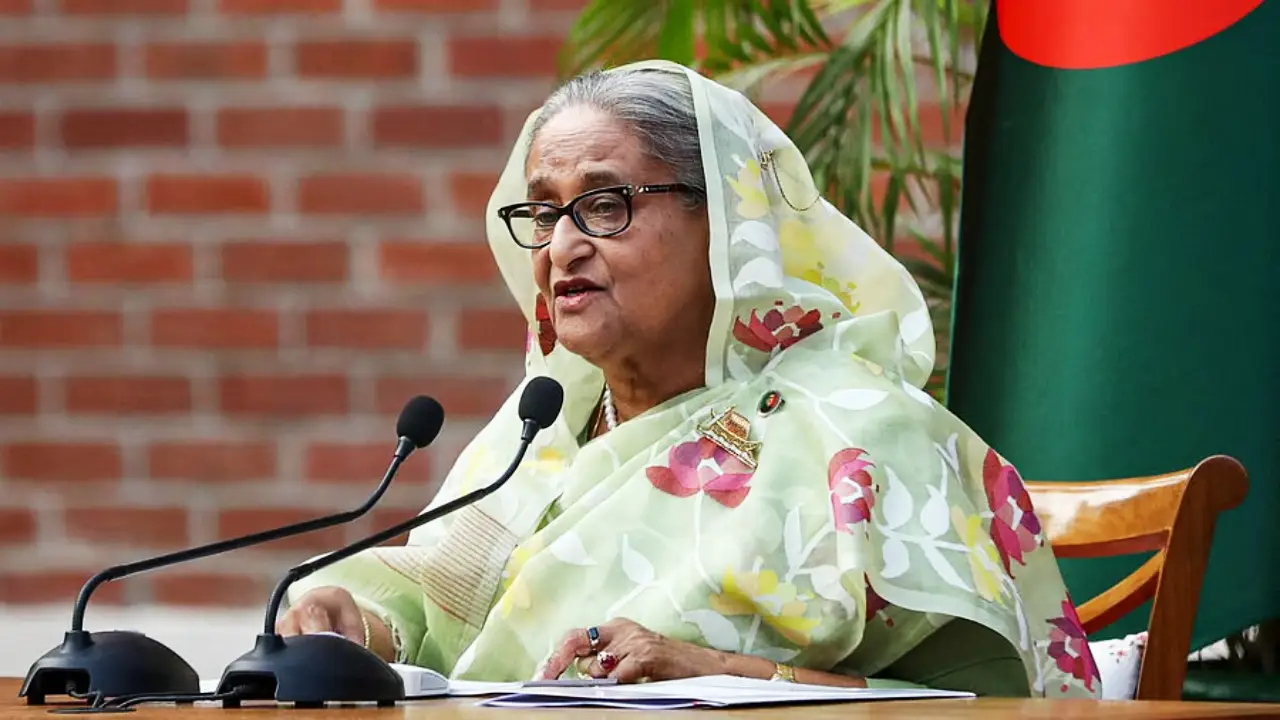
Sheikh Hasina Sentenced to Death : Bangladesh has sparked a diplomatic showdown after a war crimes tribunal sentenced Sheikh Hasina to death. Dhaka demands India extradite her, while New Delhi remains carefully non-committal.
Sheikh Hasina Gets Death Sentence: What’s Going On?
The International Crimes Tribunal (ICT) in Bangladesh has handed a death sentence to former prime minister Sheikh Hasina. She was found guilty of crimes against humanity for her role in suppressing last year’s student-led protests. Alongside her, ex-home minister Asaduzzaman Khan Kamal also received a death sentence, while another official, Chowdhury Abdullah Al-Mamun, was sentenced to five years in prison.
Read Also :Bihar Election Result 2025 Live Updates: Counting Begins on November 14, Check Exit Poll Trends
Charges and Evidence Presented by the ICT
The tribunal accused Hasina and her aides of serious offences: inciting and facilitating violence, failure to protect civilians from law enforcement abuse, and involvement in disappearances and extrajudicial killings. The court relied on extensive evidence, including recorded phone calls, testimonies from 54 witnesses, and video footage showing officials defending the use of force.
Justice Mohammad Golam Mortuza Mozumder, who read the verdict, stated that the evidence clearly showed collusion with armed cadres. The tribunal also ordered the confiscation of properties belonging to Hasina and Kamal.
Bangladesh Demands Extradition from India
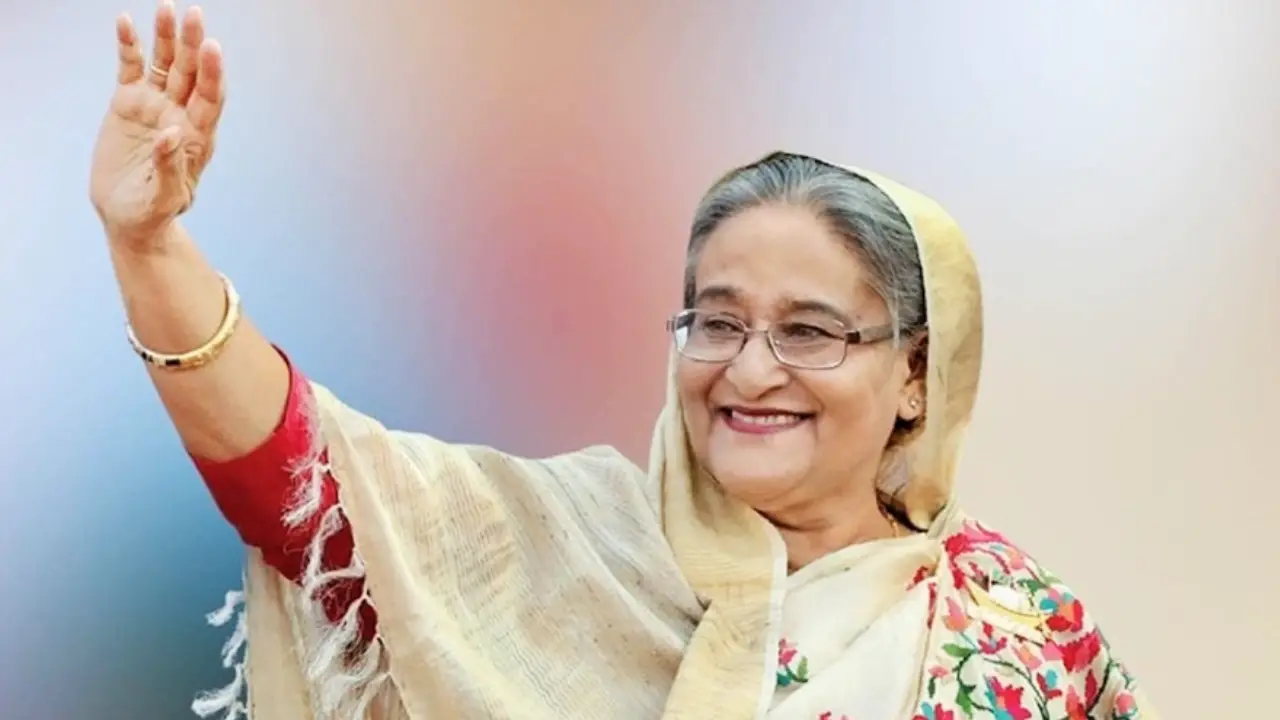
Shortly after the verdict, Bangladesh’s foreign ministry issued a strong demand: New Delhi should immediately hand over Hasina and Kamal under the existing bilateral extradition treaty. Dhaka called it a “duty” for India, underlining the gravity of the conviction.
Bangladesh warned that refusing to extradite could be seen as an “unfriendly act” or contempt for justice. The government insisted that no one convicted of mass violence should evade accountability by seeking asylum abroad.
Read Also : Jio ₹299 Recharge Plan 2025: 1GB/Day Data+Unlimited Calls, Cheak All Details
India Responds: Non-Committal but Measured
In response, India’s Ministry of External Affairs issued a cautious and diplomatic statement. It expressed concern over the ICT’s verdict, but did not confirm any extradition. Instead, New Delhi said it will engage with all stakeholders in Bangladesh “in the interests of peace, democracy, inclusion, and regional stability.”
This non-committal stand appears to balance India’s legal obligations with the sensitive diplomatic implications of returning a high-profile political figure.
Implications for Bangladesh’s Politics
The verdict comes just months before Bangladesh’s general election, scheduled for February 2026. The ruling interim government has already barred the Awami League-Hasina’s party-from contesting, citing anti-terror laws. With the party deregistered, the political stakes are extremely high.
Analysts say that the tribunal’s ruling may reshape the country’s political landscape. For Dhaka, the death sentence could serve as a signal of accountability. For Hasina supporters, it is seen as politically motivated suppression.
Read Also :Vivo V29 5G Launched at ₹11,990 – 220MP AI Camera & Flagship Design Shocking Everyone!
Hasina’s Response and Defense
Hasina, currently in India, has strongly denied all accusations. She described the tribunal as “rigged” and controlled by her political opponents. In recent interviews, she questioned the credibility of the evidence and claimed she never ordered violence against youth protesters.
She also accused the tribunal of operating under an “unelected government” seeking to nullify her party’s influence. Her defiance has deepened the diplomatic rift between Dhaka and New Delhi.
What’s Next: Possible Scenarios
Legally, India could decide not to hand Hasina over, citing concerns over due process or human rights. Alternatively, it might open formal extradition talks—but that would be complex, time-consuming, and politically sensitive. On the ground in Bangladesh, the ruling increases uncertainty ahead of the elections.
Meanwhile, civil society, regional powers, and global observers are watching closely. Any move by India could set a precedent for handling political exiles and high-stakes convictions in South Asia.
FAQs
Q1: Can India legally refuse to extradite Hasina?
Yes, India could cite concerns about fair trial or human rights, but doing so may strain diplomatic ties.
Q2: What happens to the Awami League now?
The party is deregistered and barred from the upcoming elections, which several analysts say weakens Hasina’s political base.
Q3: Will this affect India–Bangladesh relations?
Quite likely. The case could increase bilateral tensions, test treaty obligations, and impact regional diplomacy.
