
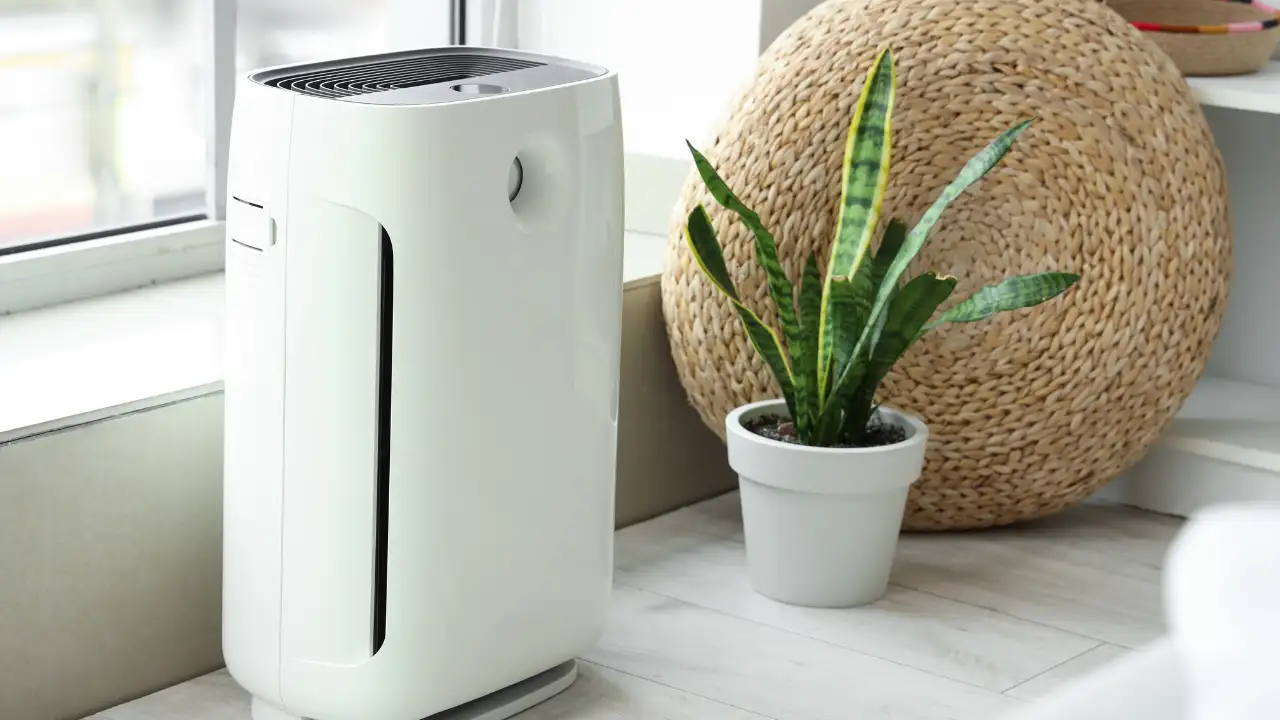
Best Air Purifier Guide for Winter: Winter pollution is rising fast, especially in big cities like Delhi-NCR. Choosing the right air purifier can protect your home, cut energy costs, and keep indoor air fresh and safe.
Air Purifier Importance for Winter Pollution
As the cold season sets in, air quality in several major Indian cities drops sharply. Many people invest in air purifiers, but few realize that each room requires a specific type of purifier. Selecting the wrong model can result in higher electricity bills and poor filtration. Understanding room needs, capacity, and features helps ensure clean, healthy indoor air.
What CADR Means in an Air Purifier
CADR, or Clean Air Delivery Rate, represents the purifier’s ability to deliver clean air every minute. A higher CADR ensures quicker removal of pollutants in a room. Since CADR ratings are tested and confirmed by independent labs, they offer a reliable way to compare purifier performance.
Also Read: Lalu Prasad Yadav Family Rift Deepens as Three Daughters Leave Patna Together
How Room Size Helps Determine the Right CADR
Experts recommend choosing an air purifier with a CADR equal to at least two-thirds of the room size. For example, for a 200 square-foot room, a purifier with a CADR between 150 and 200 works well.
Recommended CADR levels:
- Small bedrooms: 150–200 CADR
- Large rooms or living areas: above 200 CADR
Also consider noise output. A model with a noise level under 55 dB ensures quiet operation, especially for bedrooms and living spaces where purifiers often run all day.
Why HEPA Filters Matter
HEPA (High Efficiency Particulate Air) filters are among the most effective technologies in air purification. They capture pollutants such as smoke, dust, pollen, bacteria, and some viruses. HEPA filters can trap particles as small as 0.3 microns. Filter grades range from H10 to H12 for medium efficiency, while H13 and H14 are considered top-tier, removing over 99.95 percent of airborne particles.
Most air purifiers use a three-layer filtration system: a pre-filter, a HEPA filter, and an activated carbon filter. Together, they remove dust, allergens, and odors in a step-by-step process.
Also Read: IBPS RRB Scale 1 Admit Card 2025 Released: Exam Dates, Eligibility, Pattern, and Download Steps
Understanding Power Consumption
Most air purifiers consume between 30W and 100W. For a room measuring 15 by 15 feet, a 40–50W purifier is usually enough. Even when used continuously, power costs remain affordable, typically between ₹60 and ₹100 per month.
Choosing the Right Air Purifier for Your Space
Selecting the right purifier based on room size, CADR rating, HEPA quality, and power usage ensures efficient air cleaning and cost savings. With the correct insights, you can maintain a healthy, comfortable indoor environment throughout the winter.
