
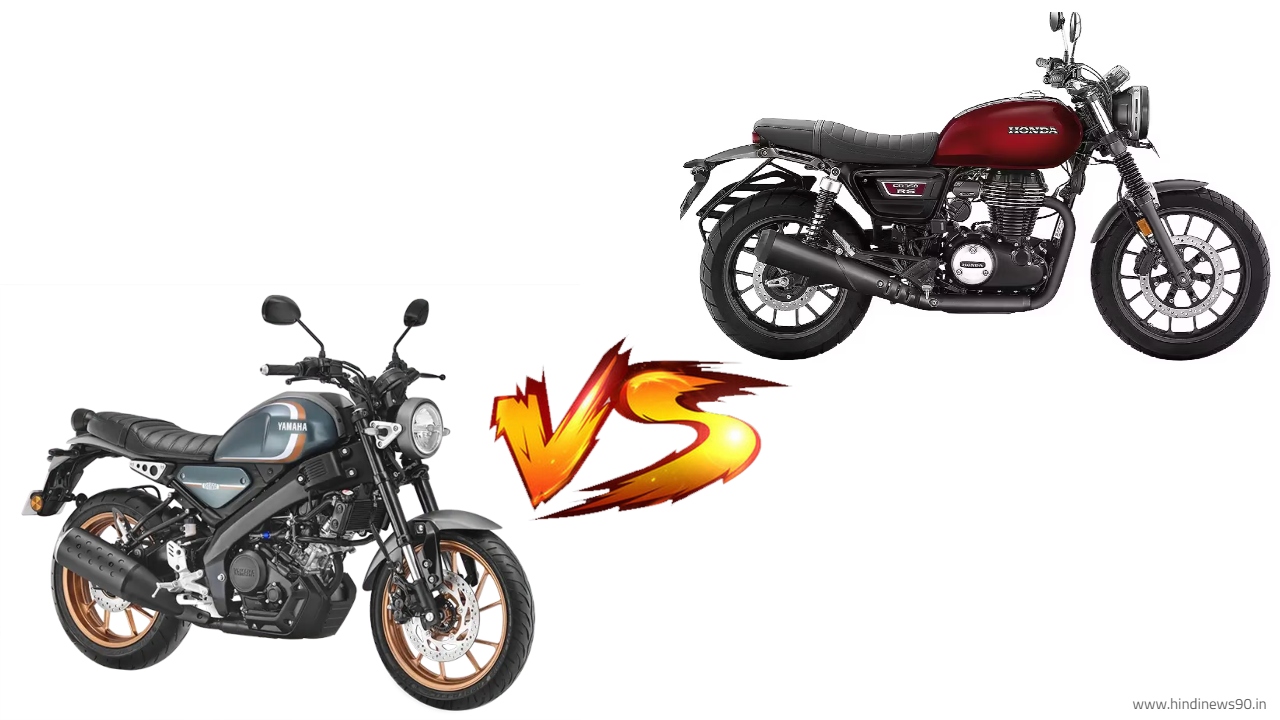
Yamaha XSR 155 vs Honda CB350 RS: India’s retro motorcycle scene is buzzing! The Yamaha XSR 155 and Honda CB350 RS fuse old-school style with cutting-edge tech but which one truly defines modern nostalgia?
Yamaha XSR 155 vs Honda CB350 RS: Full Comparison
The neo-retro motorcycle market in India is evolving rapidly, and two standout options are turning heads, the Yamaha XSR 155 and the Honda CB350 RS. Both celebrate vintage-inspired looks while packing contemporary performance and features. Yet, they appeal to very different kinds of riders. Let’s break down how these two icons compare in design, power, features, and comfort.
Design and Styling
Both bikes channel retro charisma, but their interpretations are distinct.
The Yamaha XSR 155 draws inspiration from Yamaha’s classic RX and RD series. With its round LED headlamp, minimalist bodywork, and tuck-and-roll single-piece seat, it exudes youthful, sporty energy. Its compact dimensions make it a perfect canvas for customization.
In contrast, the Honda CB350 RS leans toward a muscular, premium aesthetic. It features a bold fuel tank, matte-finished fenders, dual-tone color schemes, and chrome touches that elevate its road presence. This one appeals to riders seeking a refined, timeless design.
Also Read: Yamaha XSR 155 Launched in India: 5 Big Reasons Hunter 350 Should Be Worried!
Engine and Performance
Underneath its retro bodywork, the Yamaha XSR 155 houses the proven 155cc liquid-cooled engine borrowed from the R15 and MT-15. Producing 18.4 PS at 10,000 rpm and 14.2 Nm at 7,500 rpm, this motor loves to rev, offering spirited city performance and nimble handling thanks to its DeltaBox frame.
Meanwhile, the Honda CB350 RS packs a 348cc air-cooled engine delivering 21 PS at 5,500 rpm and a strong 30 Nm of torque at just 3,000 rpm. It’s tuned for effortless cruising and relaxed power delivery, ideal for long rides.
Both engines are E20 fuel-compatible, future-ready, and offer traction control for improved safety.
Technology and Features
The XSR 155 comes loaded with modern equipment, a full-digital LCD instrument cluster, LED lighting all around, dual-channel ABS, traction control, and Y-Connect smartphone integration. Despite its smaller engine, Yamaha ensures it feels thoroughly up-to-date. The CB350 RS also keeps things contemporary with a digi-analog meter, assist and slipper clutch, traction control, and optional Honda RoadSync connectivity on top variants. Premium touches like voice control and hazard light switches enhance practicality and safety.
Ride Comfort and Handling
At just 137 kg, the Yamaha XSR 155 is light, flickable, and easy to maneuver in traffic. The upright riding posture and raised seat height provide excellent visibility, making it ideal for daily commutes and weekend sprints.
The Honda CB350 RS, however, delivers a more composed and planted ride. With a longer wheelbase, cushioned saddle, and superior ground clearance (168 mm), it’s better suited for open roads and comfortable touring.
Pricing and Verdict
The Yamaha XSR 155 is priced at ₹1.50 lakh (ex-showroom), while the Honda CB350 RS starts at ₹1.97 lakh (ex-showroom).
If you crave a lightweight, stylish, and tech-forward motorcycle for city riding, the Yamaha XSR 155 is your pick. But if you prefer a torquey, mature, and road-commanding machine with highway comfort, the Honda CB350 RS wins hands down.
In the end, both motorcycles celebrate the beauty of retro design, one through youthful agility, the other through classic confidence. Your choice depends on what story you want your ride to tell.
